Caregiver Labor Shortage in Senior Living: How Technology is Reshaping Care
The caregiver labor shortage in senior living is no longer about future planning. In 2026, it has become one of the most urgent operational challenges facing senior living communities across the United States.
Operators are balancing rising acuity, staff burnout and high labor costs against increasing family expectations and the need for dignity-centered care. For many providers, the traditional staffing model is no longer sustainable. Hiring more caregivers is becoming increasingly difficult, and retaining experienced employees is even harder.
Communities are competing for a shrinking workforce while simultaneously managing tighter margins and higher care demands. This is where ambient care monitoring is reshaping the future of senior living.
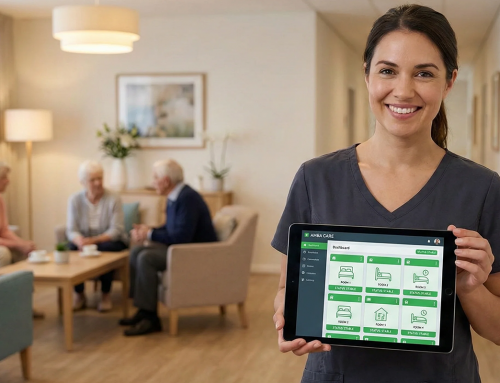
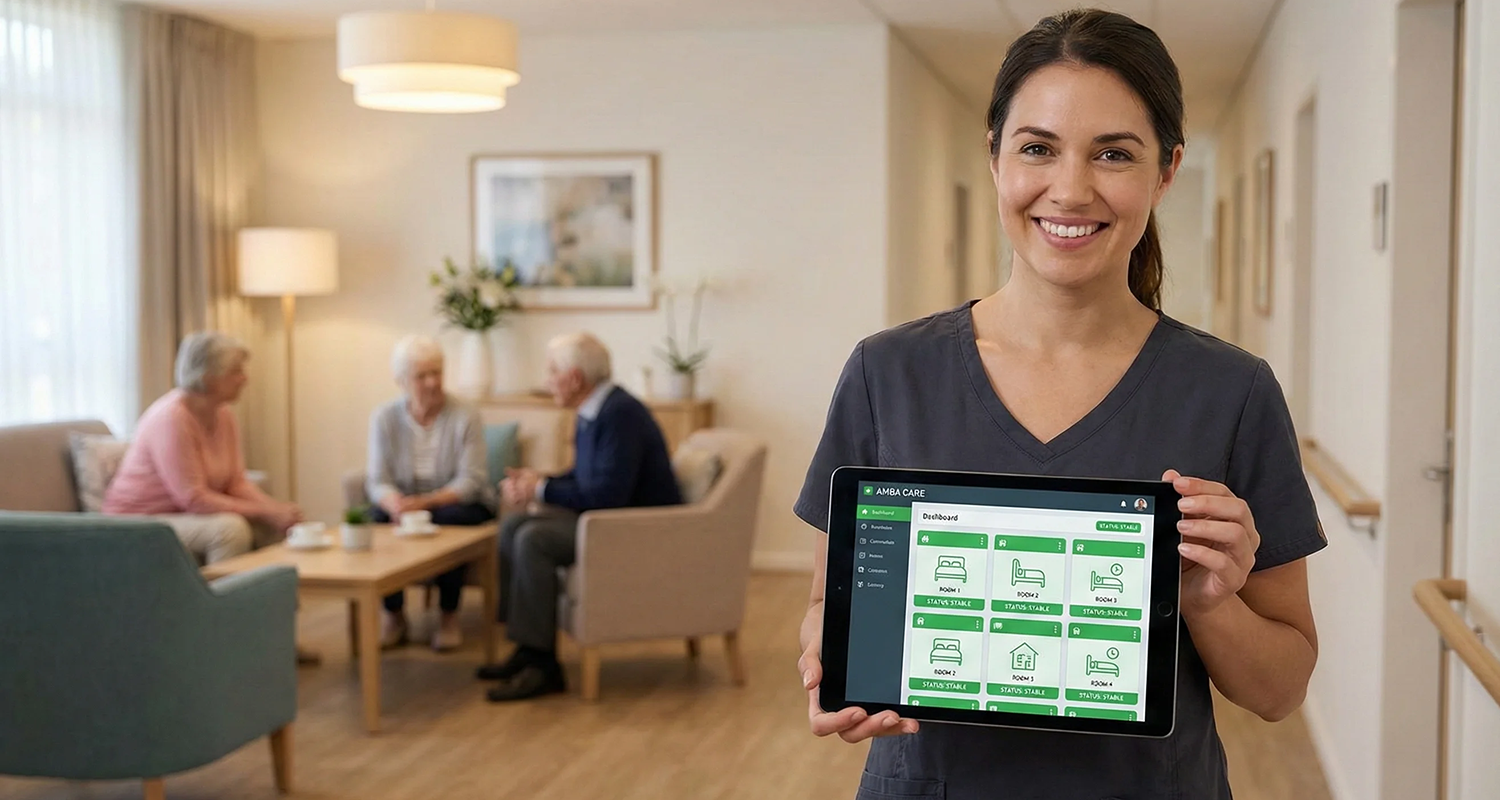
Unlike cameras or wearable devices, ambient monitoring systems use discreet sensors and AI-driven behavioral insights to help communities understand resident activity patterns without creating an invasive environment.
The result is a model of care that supports staff efficiency, improves response times, reduces unnecessary room checks and helps caregivers focus on the moments that truly require human attention.
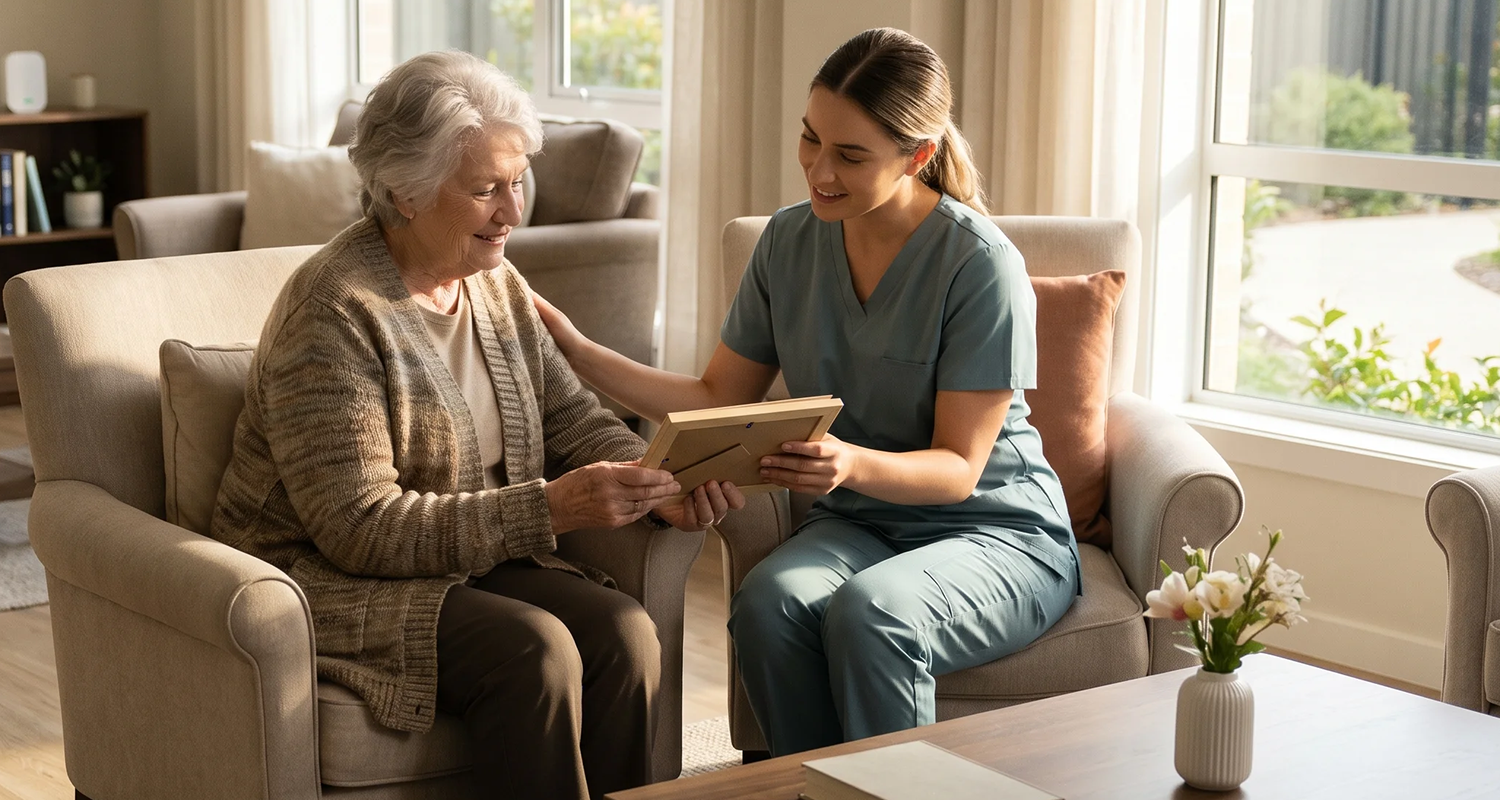
More importantly, ambient care technology is changing how operators think about staffing itself. Instead of replacing caregivers, it helps them work smarter, prioritize critical interventions and reduce operational strain across the community.
What Is Ambient Care Monitoring?
Ambient care monitoring is a non-invasive senior living technology system that uses discreet sensors, artificial intelligence and behavioral analytics to monitor resident well-being without relying on cameras or wearable devices.
Rather than continuously recording residents, ambient systems track patterns such as movement, sleep behavior, bathroom activity, door usage and changes in routine. These systems then identify anomalies that may indicate falls, worsening health, increased risk of wandering or emerging medical concerns.
The goal is not surveillance but awareness. Modern ambient monitoring platforms enable caregivers to identify patterns rather than constantly performing manual wellness checks. This creates a safer, more dignified environment while also helping communities operate more efficiently amid ongoing staffing shortages.
In many ways, ambient care technology represents the transition from reactive care to predictive care.
The Caregiver Labor Crisis is Reshaping Senior Living
The staffing shortage affecting senior living is not temporary. Across assisted living communities, memory care centers, and skilled nursing facilities, operators are struggling to recruit and retain qualified caregivers while demand for senior care continues to grow.
Caregiver burnout, rising resident acuity, wage competition and ongoing staffing shortages are placing increasing pressure on the industry. For caregivers, this means heavier workloads, more overnight checks and less time for meaningful resident interaction. For operators, it creates rising labor costs, staffing instability and operational strain.
Families feel the pressure as well, wanting reassurance that their loved ones remain safe and supported despite limited staffing resources. This growing challenge is forcing senior living communities to rethink how care is delivered and supported through smarter technology.
Why Traditional Staffing Models are No Longer Sustainable
For decades, senior living communities relied heavily on manual observation as the foundation of resident safety. Staff members performed scheduled rounds, physically checked rooms overnight and responded after incidents occurred.
However, this model creates serious inefficiencies in modern care environments. Key challenges of this model include:
Delays Created By Reactive Care
Traditional staffing models depend on caregivers discovering issues after they happen. A resident may remain on the floor after a fall until someone physically enters the room. Sleep disturbances, urinary tract infections or behavioral changes often go unnoticed until symptoms escalate. This reactive model increases both clinical risk and staff workload.
Increased Burnout from Constant Room Checks
Night shift caregivers waste valuable time conducting repetitive wellness checks that disrupt resident sleep. Many of these checks reveal no meaningful concerns, yet they still require physical labor and documentation. Over time, this contributes to exhaustion and turnover.
Labor Supply Limitations
Hiring additional caregivers may sound like the obvious answer, but labor supply limitations make this increasingly unrealistic. Even communities with competitive compensation packages struggle to maintain fully staffed schedules.
Operators are realizing that efficiency improvements must become part of the solution. That is why many communities are now investing in technologies that reduce unnecessary workload while improving visibility into resident well-being.
How Ambient Care Monitoring Solves the Staffing Gap
Ambient care monitoring helps senior living communities address staffing shortages by reducing unnecessary manual checks and helping caregivers focus on residents who need immediate attention.
By detecting behavioral changes such as sleep disruptions, wandering or inactivity, the system improves response times, supports earlier intervention and reduces caregiver strain while maintaining resident safety and dignity.
The Difference Between Ambient Monitoring and Surveillance
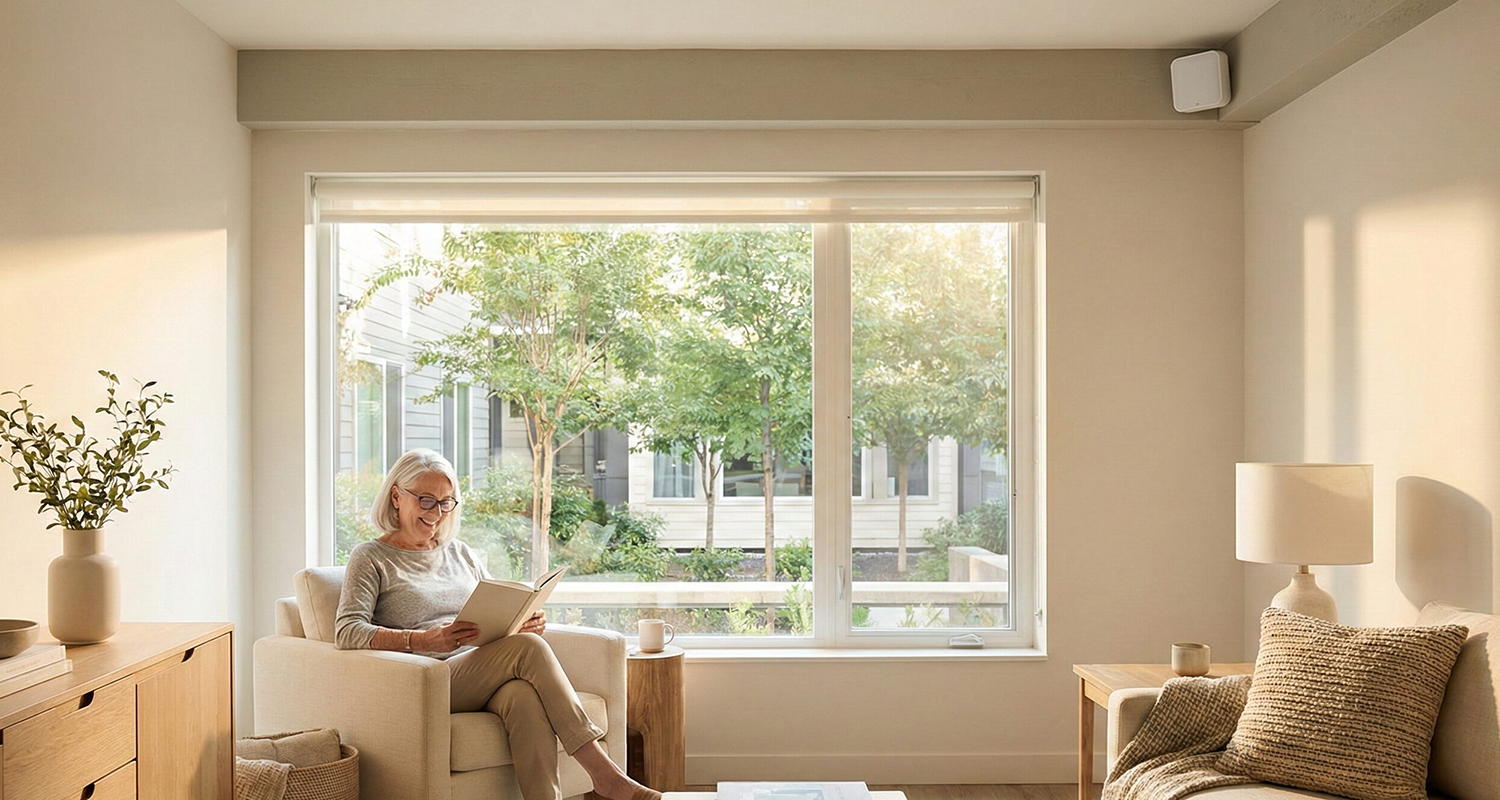
Ambient monitoring is gaining traction in senior living because it improves safety and operational efficiency without compromising resident privacy. Unlike camera-based systems, it avoids direct visual surveillance, preserving dignity and emotional comfort.
Instead, discreet tools like motion sensors, sleep mats and door sensors track behavioral patterns, giving caregivers meaningful insights into well-being without disrupting daily life. This approach focuses on patterns, enabling early detection of risks such as wandering, sleep disturbances or unusual inactivity while supporting resident independence.
How Ambient Technology Improves Caregiver Retention
Caregiver retention is largely driven by workload pressure, not just by hiring gaps. Many caregivers leave when they feel overwhelmed, constantly reactive and unable to deliver quality care. Ambient monitoring helps reduce these stressors by streamlining daily workflows.
It reduces physical fatigue by limiting unnecessary rounds and room checks, especially during night shifts, allowing staff to focus their energy on direct care rather than repetitive movement. It also improves shift confidence by providing real-time alerts and behavioral insights, helping caregivers respond to verified needs rather than work in the dark.
Most importantly, it frees up time for meaningful caregiving, supporting residents, building relationships, engaging with families and improving emotional well-being. Overall, ambient technology supports caregivers by reducing workload pressure and enabling more focused, higher-quality care, which directly contributes to better retention.
The Business Impact of Ambient Care Monitoring
The caregiver labor shortage and the discussion of senior living technology are ultimately about sustainability. Senior living operators cannot continue absorbing rising labor costs indefinitely. Communities need systems that improve operational efficiency while protecting resident outcomes.
Ambient monitoring delivers value across multiple areas. This can be summed up as follows:
| Challenge | Traditional Model | Ambient Monitoring Model |
| Overnight checks | Manual room rounds | Intelligent alert-based response |
| Fall detection | Often delayed discovery | Faster awareness and response |
| Staff workload | High repetitive tasks | Prioritized interventions |
| Resident privacy | Cameras or intrusive checks | Non-invasive monitoring |
| Care delivery | Reactive | Predictive and proactive |
| Labor efficiency | Staff-intensive | Technology-supported |
For many operators, these efficiencies directly affect occupancy, reputation and financial performance. Communities that successfully balance safety, staffing efficiency and resident dignity are increasingly positioned to lead the evolving senior care market.
Why Is 2026 a Turning Point for Senior Living Technology?
The senior living industry is entering a new operational era in which ambient care systems are becoming essential rather than optional. Unlike earlier technology focused on convenience, 2026 is being shaped by staffing shortages that are redefining care delivery.
Key drivers include rising labor costs, growing demand for senior housing, higher resident acuity and increasing family expectations for safety. At the same time, resistance to invasive surveillance and the rise of AI-powered predictive care are accelerating this shift.
As a result, traditional care models are becoming harder to sustain. Communities that fail to adapt risk pressure on both staffing and care quality, while those adopting privacy-first ambient monitoring are building more scalable and efficient environments that better support caregivers and residents.
The Future of Care Is Invisible
The most effective senior living technology is often the least visible. Residents do not want to feel monitored every moment of the day. Caregivers do not want more devices, alarms and administrative complexity. Operators do not want systems that create additional workflow burdens.
Ambient care monitoring succeeds because it works quietly in the background. It creates an invisible safety net that supports residents without intruding on independence. It helps caregivers prioritize attention without replacing human compassion.
It also gives operators a realistic path toward managing the ongoing caregiver labor crisis more sustainably. As staffing shortages continue to reshape the industry, the future of senior living will belong to communities that combine human-centered care with intelligent operational support.
Discover how Amba’s privacy-first ambient monitoring solutions help communities reduce staff strain, improve response times and create a safer resident experience through intelligent, non-invasive care technology.
FAQ
How does ambient care monitoring help with caregiver shortages?
Ambient care monitoring reduces unnecessary manual tasks by using sensors and AI to identify when residents may actually need assistance. This allows caregivers to prioritize urgent situations rather than spend time on repetitive wellness checks.
Is ambient monitoring the same as camera surveillance?
No. Ambient monitoring does not rely on cameras or continuous video recording. Instead, it tracks behavioral patterns such as movement, sleep and activity levels using discreet sensors that preserve resident privacy.
Can ambient monitoring replace caregivers?
Ambient monitoring is designed to support caregivers and not replace them. The technology improves efficiency, reduces workload strain and helps staff focus on delivering higher-quality human care.
Why are senior living communities adopting predictive care technology?
Predictive care technology helps communities identify health risks earlier, reduce falls, improve response times and operate more efficiently during ongoing staffing shortages.
What makes ambient monitoring better than wearable devices?
Many residents forget, refuse or remove wearable devices. Ambient systems operate passively in the background, without requiring residents to charge, wear or interact with the technology.